
You won't find Ma Bo on most Western menus。and that's a shame. The first time I watched a chef in Chengdu work a batch of ma bo—those small, chewy rice-flour nuggets—he tossed them into a screaming-hot wok with fermented broad bean paste and Sichuan peppercorns. The smell hit me before the taste: funky, floral, and numbing all at once. That's the thing about Ma Bo. It doesn't ease you in. It grabs you.Here's what actually matters when you cook Ma Bo at home. Skip the fancy nonstick pan. Use a carbon steel wok or a heavy cast-iron skillet—something that can take serious heat without warping. Get your hands on real Pixian doubanjiang if you can. The stuff in jars labeled 'chili bean sauce' at regular grocery stores tastes flat and sweet. I learned that the hard way, ruining three batches before a friend from Chongqing pointed at my jar and laughed. Toast your Sichuan peppercorns whole in a dry pan for about 90 seconds, then grind them. The numbing kick fades fast once ground, so do it right before cooking.
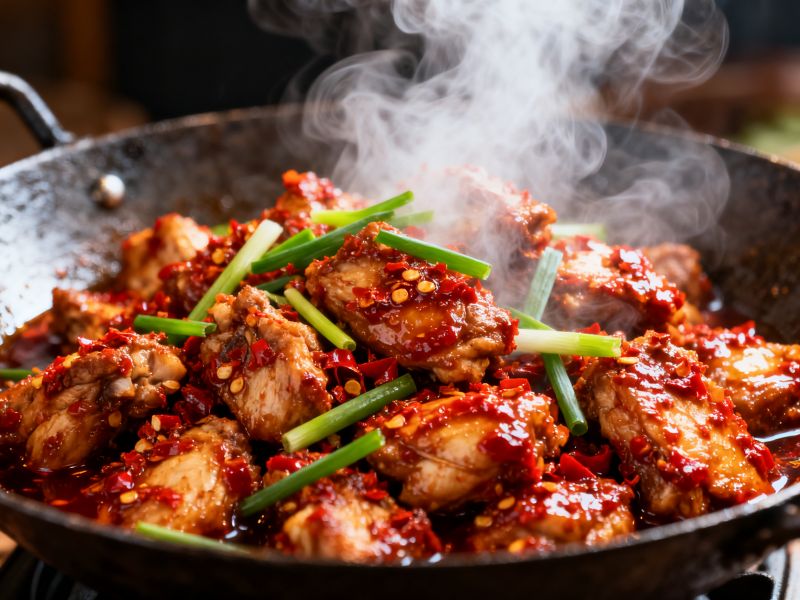
Now the Ma Bo themselves. Fresh ones are ideal—sold in vacuum packs at Asian markets, slightly oily and firm. Frozen works in a pinch, but thaw them overnight in the fridge, not in the microwave. Microwaving makes them gummy. Boil them for two minutes in salted water, then drain and toss with a teaspoon of oil so they don't clump. While they rest, build your sauce: two tablespoons doubanjiang, one tablespoon fermented black beans (rinsed and chopped), a splash of Shaoxing wine, and a teaspoon of sugar. No soy sauce needed—the beans and paste bring enough salt. Heat two tablespoons of neutral oil until it shimmers, add the paste mixture。and stir constantly for 30 seconds. It should smell intense, almost aggressive. That's correct.Add the Ma Bo to the wok and toss to coat. Pour in a quarter cup of stock or water, cover, and let it steam for three minutes so the nuggets soak up the sauce. Uncover, crank the heat, and add a slurry of cornstarch and water—one teaspoon starch to two tablespoons water. Toss until glossy。about 45 seconds. Kill the heat. Fold in a handful of chopped scallions and a generous pinch of your freshly ground pepper. Taste one. If it's not numbing enough, add more pepper. If it's too salty, a tiny squeeze of lime fixes it—unorthodox, but it works. Serve immediately over plain rice. Ma Bo waits for no one;the texture turns dense and rubbery after ten minutes.A few honest notes from my own kitchen disasters. Don't crowd the wok—cook no more than two cups of Ma Bo at a time, or they steam instead of sear. And if you're sensitive to heat, cut the doubanjiang to one tablespoon and add a spoonful of sweet bean paste. The dish loses some punch but stays balanced. I've made Ma Bo for weeknight dinners and for friends who claim they hate 'weird textures.' Every single one asked for the recipe. The trick isn't perfection—it's adjusting the pepper and salt to your own tongue. That's the whole point of cooking something this simple and this bold.